Barbie Doll Set: How to Pick the Right One
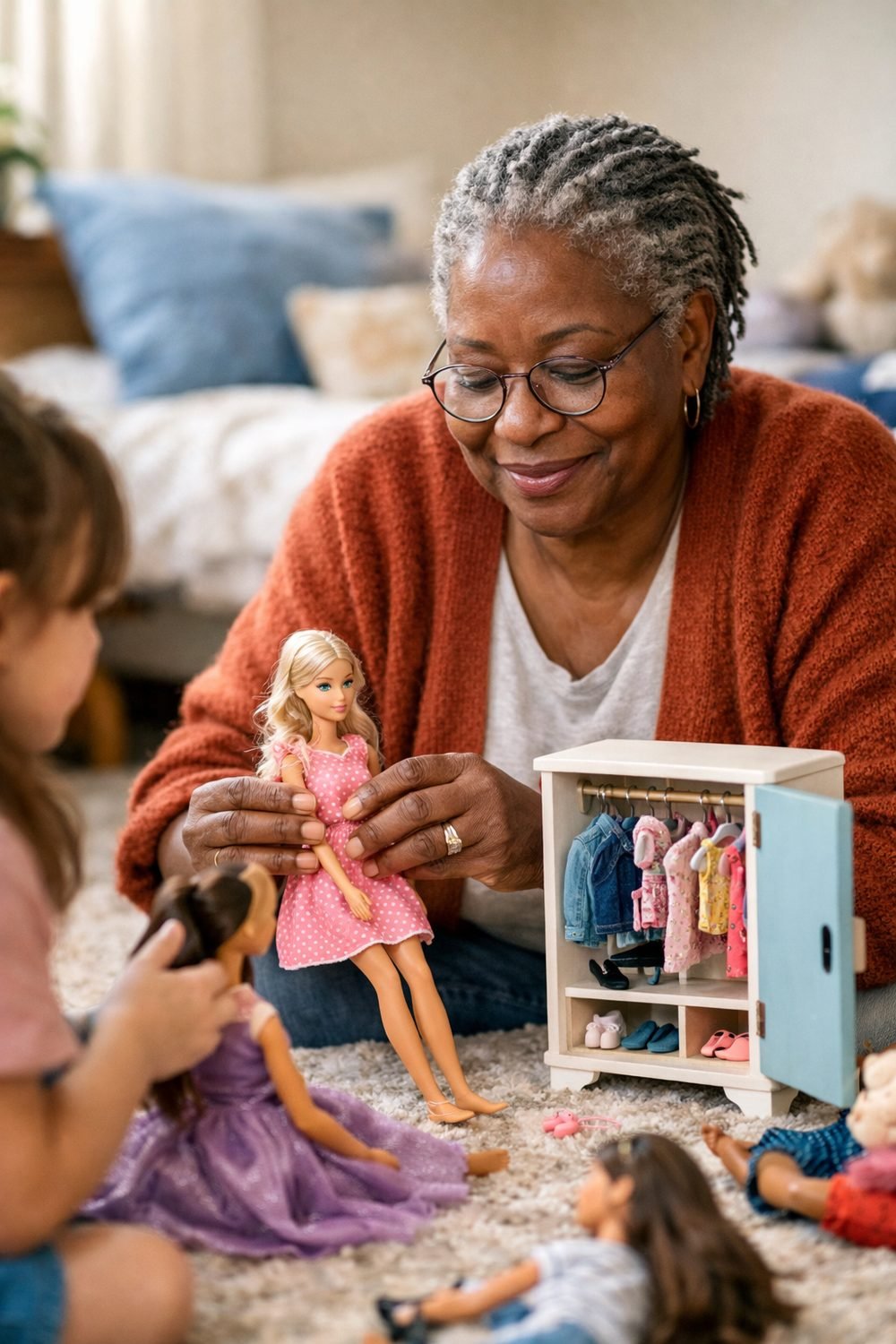
There are so many Barbie doll set options out there that it's easy to end up with more than you planned. Birthday gifts, holiday gifts, the "you were brave at the dentist" gift. And I've learned the hard way that the prettiest box on the shelf isn't always the right pick for the kid you're buying for.
One year I grabbed a big beach set for my niece. It looked amazing. Then she opened it, and half the pieces were tiny shoes and sunglasses her little brother kept trying to eat. Lesson learned.
So here's how I pick a Barbie doll set now. It takes maybe ten minutes in the store or online, and it saves a lot of tears later. Some of those tears would be mine.
Short on time? Our top picks: Barbie Dreamhouse, Barbie Fashionistas, Barbie Dream Closet and Barbie Camper. See all picks
What You Need Before Shopping for Barbie Sets
You don't need much for this. Just a few things before you start shopping:
- The age of the child (and the ages of any siblings in the house)
- A rough idea of what dolls or playsets they already own
- A budget you're comfortable with
- A place in the home where the toys will actually live
- The product page or box in front of you, so you can read the details
That's it. If you can snap a quick photo of their current toy shelf on your phone, even better. It helps more than you'd think.
Step 1: Check the Age Range on the Box
Start here. Every set should have an age range printed on the box or listed on the product page. Find it before you fall in love with anything.
The age on the box isn't just a suggestion about skill. It often has to do with safety, like whether the set has small parts. So I treat it as a real rule, not a loose guide.
But age isn't everything either. A six-year-old who loves pretend play might enjoy a simple set with one doll and a few outfits more than a huge playset with a dozen pieces. If this might be my first Barbie for a little one, think about how the child actually plays. Do they like dressing dolls up? Acting out stories? Setting up little scenes and leaving them for days?
Tip: If you're buying for a child you don't see often, text the parent and ask what they're into right now. Kids change fast. Last year's mermaid fan might be all about horses this year.
Step 2: Count the Pieces and Barbie Accessories
Read the list of what's included. Most sets will tell you how many dolls come in the box and which Barbie accessories are packed with them. Look at it closely.
Here's what I've noticed. A set that says it has lots of pieces might count every single tiny hairbrush and shoe. That can make it sound bigger than it really is. Meanwhile, a set with fewer pieces might include something larger, like a car or a small piece of furniture, that gets way more play.
Ask yourself a few honest questions:
- How many actual dolls are in the set?
- Are the accessories things a kid will use, or just extras that get lost?
- Is there one main "big" item, like a vehicle, a room, or a pet?
Personally, I'd skip sets that are mostly tiny accessories. They look fun in the photo, but in real life they end up under the couch within a week.
Tip: Look at photos of the set out of the box if the seller shows them. Box art is designed to look full. The real pieces laid out on a table tell you a lot more.
Step 3: Think Hard About Small Parts
This step matters most if there are babies or toddlers in the house. Even if the Barbie set is for an older child, little siblings will find those tiny pieces. They always do.
Check the box for any small parts warning. If there's one, think about where the toys will be played with and who else is around. A set that's fine for an eight-year-old can be a real problem in a home with a crawling baby.
What's safe for your family is up to you, because every home is different. If you're unsure, read the safety info on the seller's page or ask your child's doctor what they suggest for small toys around young kids.
What I do at my sister's house: the small-part sets stay in a lidded box on a high shelf. The older kids get them out at the table, and they go back in when play is done. It's not perfect, but it helps.
Tip: If small parts worry you, look for sets where the accessories are bigger, or where most of the fun comes from the doll and outfits instead of tiny add-ons.
By the way, if getting kids to clean up their toys is a daily battle in your house, our free 1-Week Kids Chore Chart and Morning Routine Chart can help make "put the toys away" part of the routine.
Step 4: Figure Out Storage Before You Buy
Does the set come with a case, a carry box, or some kind of storage? Some do. Many don't.
Honestly, I think storage is the most overlooked part of buying any doll set. Everyone thinks about the fun of opening it. Nobody thinks about where the 40 pieces will go at bedtime.
If the set has a built-in case, that's a nice bonus, especially for kids who like to take their toys to Grandma's or on car trips. If it doesn't, plan ahead. A plain plastic bin with a lid, such as a Sterilite one, works just fine. So does a shoebox, if we're being real.
Also think about the bigger items. A playhouse or car takes up actual floor or shelf space. Measure if you need to. It's easy to buy a set that is cute but simply doesn't fit on the shelf it was meant for. It lived on the floor for months.
Tip: Small zip bags or a tackle-style box with little sections are great for shoes and accessories. Kids actually like sorting them, at least for the first few days.
Step 5: Check If It Works With the Barbie Dolls They Already Own
This is where that photo of the toy shelf comes in handy. If the child already has dolls, playsets, or a dream house, think about whether the new set will fit in.
Some things to look at:
- Will the new doll fit in the car or furniture they already have?
- Do the outfits fit their other dolls?
- Does the theme match the Barbie looks they love, or is it totally different?
Doll sizes can vary, even within the same brand. If fit matters to you, check the product details on the seller's page. Some listings mention size, and some reviews from other parents talk about whether things fit together.
A set that adds to what a kid already has, like a Barbie Dreamhouse they already own, often gets played with longer. It becomes part of the bigger world they've built. A random set that doesn't match anything can feel a bit lonely on the shelf.
That said, a brand new theme can spark a whole new kind of play. So don't overthink it. Just know what you're getting.
Tip: If the child mixes toys from different brands (a lot of kids do), lean toward sets with simple, flexible pieces. Mine love combining dolls with building blocks to make houses. If that sounds like your kid, the Building Sets Mini-Store Starter Kit below this post might be worth a look.
Step 6: Read the Return Terms
Before you pay, find the seller's return policy. Read it. Yes, it's boring. Do it anyway.
Things to look for:
- How many days you have to return it
- Whether the box has to stay sealed
- Who pays for return shipping if you bought online
- Whether gift receipts are offered
Policies are different from store to store, and they can change around holidays. So check the actual page for the store you're buying from, not what you remember from last time.
If it's a gift, I always try to get a gift receipt. Duplicate gifts happen at birthday parties all the time. Having an easy way to swap saves everyone some awkwardness.
Tip: Keep the box and receipt together somewhere until you know the set is a hit. Try taping the receipt to the inside of a kitchen cabinet door. Weird, but I always know where it is.
Troubleshooting: When Things Don't Go to Plan
The child opened it and seemed unimpressed
Give it a day or two. Some kids need time to warm up to a new toy, especially if it was part of a baby gift set or a pile of presents opened at once. Try playing alongside them for a few minutes. Sometimes all it takes is you making the doll "talk" once.
Pieces are already going missing
This one's so common. Set up a single home for the set right away, and make cleanup part of the play. A small bin and a simple "everything back in the box" routine goes a long way. If one tiny shoe is gone forever, try to let it go. It's best to make peace with this.
A younger sibling keeps grabbing the small pieces
Move play to a table or a room the little one can't get into. Store the set up high when it's not in use. If you're worried about safety, check the warnings on the box and talk to your child's doctor about what's sensible for your home.
The new doll doesn't fit with their old stuff
Check the return policy if it's still in the window. If not, lean into it. A doll that doesn't fit the car can still star in a whole new story. Kids are usually more flexible about this than adults.
The routine of play and cleanup feels chaotic
If your days feel packed and toys keep taking over, it helps to have a loose plan for the week. The Daily Family Routine Deals Page Publishing Kit below this post is something we made for folks who want to share routine ideas and deals. It's not for everyone, but some readers find it useful.
Products Worth a Look
Here are a few real products and brands that fit the steps above. Think of them as starting points, not a must-buy list.
Barbie Dreamhouse
This suits kids who love setting up scenes and playing out stories for days. Check the footprint and the age range before buying, because large playhouses need real floor or shelf space.
Barbie Fashionistas
A good fit for kids who mostly want to dress up dolls and swap outfits. Look at the listing to see what comes with each doll, since the extras vary from one to the next.
Barbie Dream Closet
It suits families who want the clothes and accessories to have a home. Check the size on the product page so you know whether it fits the shelf or corner you have in mind.
Barbie Camper
A fun pick for kids who like a big, play-ready item more than a pile of tiny extras. Confirm the small parts warning and what is included before you add it to your cart.
Sterilite Storage Bins
Handy for the storage problem in Step 4, especially lidded plastic bins for doll sets and shoes. Pick a size that fits your shelf and check that the lid closes securely.
IRIS USA Storage Boxes
These are a good match for families who want sectioned or stackable boxes for tiny accessories. Check the compartment sizes so small shoes and brushes do not slip between sections.
Mattel Official Site
Useful if you want to browse Barbie sets by theme and read age ranges in one place. Compare the details with your retailer's listing, since what is sold can differ by store.
Check current plans and prices on each brand's own site before you buy.
FAQ
What age is a Barbie doll set good for?
It depends on the set. Check the age range printed on the box or the product page, since it can change from one set to another. Also think about whether younger kids live in the home, because small parts can be a concern.
Is a bigger set always better?
A big set with lots of tiny pieces can get lost or messy fast. A smaller set with a doll and a few pieces the child loves often gets played with more.
How do I know if a new set will fit with dolls we already have?
Look at the product details on the seller's page and read reviews from other parents. Some listings mention size or what the set works with. If fit really matters, try to buy from a store with an easy return policy.
What's the best way to store doll accessories?
A lidded bin, like one from IRIS USA, works for most families. For tiny pieces, small zip bags or a box with little sections keep things sorted. The key is having one spot where everything goes back every time.
Your Next Step
Shopping for Barbie dolls for sale doesn't have to be stressful. Check the age, look at what's really in the box, think about small parts and storage, and read the return terms. That covers most of the problems I've run into.
If you'd like help turning cleanup into a habit, grab the free 1-Week Kids Chore Chart and Morning Routine Chart by joining our email list. Then take a peek at the Building Sets Mini-Store Starter Kit and the Daily Family Routine Deals Page Publishing Kit below this post. No pressure, just there if they fit what you need.
Printables and tools that can help
Building Sets Mini-Store Starter Kit
A kit for planning a small building sets shop: product list, listing copy and...
See detailsDaily Family Routine Deals Page Publishing Kit
A kit for running a simple deals feed about stem toys: post templates and a weekly...
See details