Bead Art Kit: What to Check Before You Choose

A bead art kit is one of those quiet activities that can fill a whole afternoon. You know the kind. Fuse beads, melty beads, perler-style beads. Kids press tiny plastic tubes onto a pegboard, make a pattern, and then someone irons it so it all sticks together.
Some were great. One was a mess of half-empty bags and a pegboard that warped the first week. So here's what I check now before I pick one, and what I'd skip.
Short on time? Our top picks: Perler Fused Bead Kits, Hama Beads, Melty Beads and Ikea PYSSLA Beads. See all picks
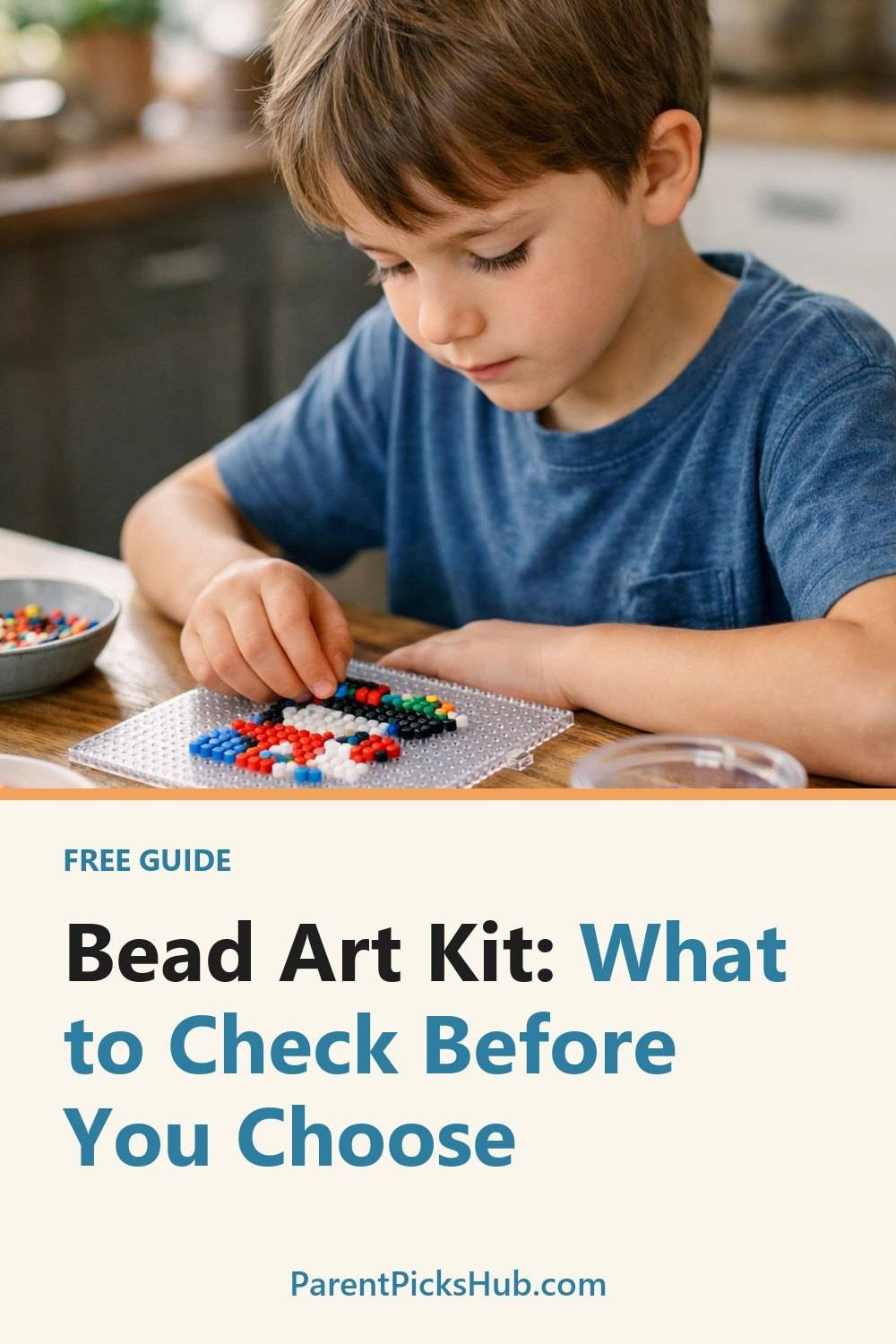
Start With Bead Size When Choosing a Bead Art Kit
This is the first thing I look at, and honestly it matters more than the number of colors or the cute picture on the box.
Bead kits usually come in a few sizes. Larger beads are easier for younger hands to grab and place. Smaller beads let older kids make detailed designs, but they can frustrate a little one fast. A young child trying a mini bead kit can quickly run into trouble if the pieces are too small or the instructions are unclear. She lasted about four minutes before she announced she was "done forever" and went to color instead.
If you're buying for a child who's new to this, go bigger. You can always move to smaller beads later. Some kits, such as those from Perler, also come with tweezers or a little pick tool, which helps with the tiny ones.
One more thing: small beads are a choking risk for babies and toddlers. If you have a younger sibling crawling around, think about where the kit will be used. The kitchen table with the baby in a high chair across the room is not the spot.
What's Actually in the Box
Most kits include pegboards, beads, and some kind of instructions or pattern sheets, much like a drawing kit or painting kit comes with its own guide. Some add ironing paper. That sounds simple, but the details vary a lot.
Here's what I look for on the box or product page:
- How many pegboards. One board means one project at a time. Two or more means siblings can work side by side without a fight.
- Pegboard shapes. Squares are the most useful. Hearts, circles, and animals are fun, but you'll use the square more than you'd think.
- Ironing paper. If it's not included, you'll need it before you can finish a single project.
- Pattern ideas. Printed patterns help kids who freeze up when told "make whatever you want."
Be realistic about the bead count. Big numbers on the box look impressive, but a giant pile of beads doesn't help much if half of them are one color nobody wants. A smaller kit with a good mix of colors is often the better choice.
The Ironing Step Belongs to an Adult
This part surprises some parents. The beads don't stay together on their own. You lay ironing paper over the design and press it with a hot iron until the beads melt a little and fuse.
An adult should handle this. The iron is hot, the paper gets hot, and the beads can be hot for a bit after. A simple routine works well. The kid finishes the design, carries the board to me very slowly (this is always dramatic), and I do the ironing while they watch from a safe distance.
Follow the directions that come with your kit for heat setting and timing, since they can differ. If the kit doesn't include clear ironing directions, check the seller's page before you start. A few tips I've learned the hard way:
- Iron the first few projects slowly so you learn how long your iron needs.
- Put a heavy book on the finished piece while it cools. It helps it stay flat.
- Don't let anyone touch it right away, no matter how much they beg.
Some kits now use water-fusing beads that stick when sprayed and left to dry. If ironing makes you nervous, look for those. Just read the box carefully so you know which type you're getting.
Check the Age Range on the Box (Kids, Teens, and Adults)
Every kit has a recommended age printed on it. Pay attention to it. It's there because of small parts and because of how hard the projects are.
That said, you know your kid. Some five-year-olds will sit for an hour placing beads, and some art sets for teens or adults are just as absorbing. Some nine-year-olds would rather do anything else. The age range is a safety guide first and a skill guide second.
If you're buying a gift for someone else's child, stick close to the age on the box. It's the safe bet, and you won't accidentally hand a box of tiny beads to a family with a toddler.
By the way, if you want something to help with the daily stuff around these fun projects, our free 1-Week Kids Chore Chart and Morning Routine Chart is yours when you join the email list.
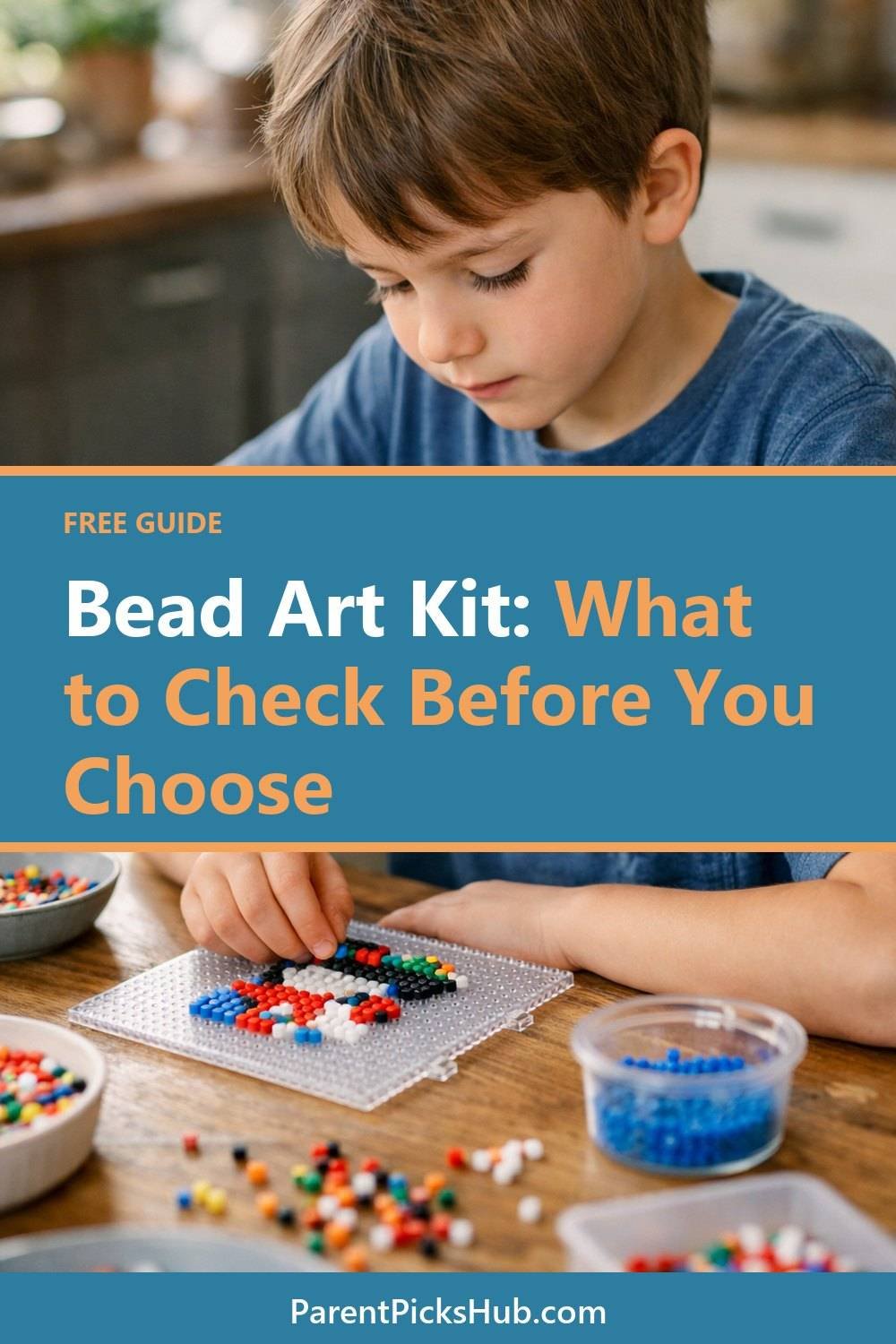
Storage Is Where Every Art Kit Wins or Loses
This is the part nobody thinks about until beads are under the couch, in the dog's water bowl, and somehow inside a shoe.
A good kit comes in a case with small compartments, one color per slot. That makes cleanup faster and helps kids find the color they need. Kits that come in loose bags are fine at first, but after a couple of sessions, everything ends up in one rainbow pile.
If your kit doesn't have a sorted case, you can fix it. A cheap divided container, like a Plano box meant for craft supplies or fishing tackle, can work. Sorting everything once can take about twenty minutes, and many kids enjoy helping with it. Weird but true.
Also check that the lids close tight. A case that pops open when it tips over is worse than no case at all.
A small cleanup trick
Lay a baking sheet or a tray with a rim under the pegboard. Dropped beads stay on the tray instead of rolling off the table. It's not fancy, but it saves a lot of crawling around on the floor.
Are Refills Sold Separately?
If your child loves the kit, you'll run low on certain colors. Black and white go fast in our house. So does whatever color their favorite cartoon character is.
Before you buy, check if the brand sells refill packs in single colors. Also check if extra pegboards are sold on their own, as with a scrapbook kit that has add-on pages. Some brands, like Hama Beads and Artkal, use their own bead sizes, so mixing brands doesn't always work well. The seller's page usually says which size the beads are, so compare before you mix.
It's best not to buy refills right away, though. Wait and see if the interest lasts past the first week. Plenty of craft kits get a burst of love and then live on a shelf.
Pairing Bead Art With Other Quiet Activities
Bead art works best as one option in a rotation of childrens art sets, not the only thing on the table. Kids who like following a pattern often also like building toys, and both scratch that same "make something with my hands" itch.
If that's your kid, the Building Sets Mini-Store Starter Kit below this post might be worth a look. And if you like having ready-made project ideas on hand, the Printable Activity and Lesson-Plan Monthly Service Kit, also below, can help on days when you're out of ideas.
Bead Art Kits and Supplies Worth a Look
Here are some well-known options to start your search, whether you want a full kit or a few add-ons. Each one is described in general terms, so read the box or product page before you buy.
Perler Fused Bead Kits
Perler is probably the best-known name in fuse beads, and it offers kits for many ages and interests. It suits families who want easy access to refills and extra pegboards. Check the bead size and age range listed for the specific kit.
Hama Beads
Hama is a long-running fuse bead brand with several bead sizes. It suits parents who want to match bead size to a child's age and skill. Check that the size of any refills matches the beads you already own.
Melty Beads
Melty Beads is a familiar name for fuse bead sets that are easy to find. It suits first-time buyers who want a simple starter set. Check what is included, such as pegboards and ironing paper, before you order.
Ikea PYSSLA Beads
PYSSLA is Ikea's line of fuse beads, often sold in sorted tubs or boxes. It suits families who want a budget-minded way to stock up on colors. Check the bead size before mixing them with another brand.
Artkal Beads
Artkal makes fuse beads in a wide range of colors and sizes. It suits older kids, teens, and adults who want more detailed designs. Smaller sizes can be fiddly, so check the age guidance and consider tweezers.
Ziploc or Plano Divided Storage Boxes
A divided organizer helps if your kit comes in loose bags. It suits parents who want one color per compartment for faster cleanup. Check that the lids latch tightly so a tipped box does not spill.
Rubbermaid Rimmed Trays
A tray with a rim is a simple way to catch dropped beads while kids work. It suits crowded tables and families with pets or little siblings. Check that it is big enough to hold the pegboard comfortably.
Check current plans and prices on each brand's own site before you buy.
FAQ
What age is a bead art kit good for?
Follow the age range printed on the box, since it's based on small parts and difficulty. Larger beads are usually aimed at younger kids, and smaller beads at older ones. Your own child's patience matters too.
Can kids do the ironing themselves?
It's best to keep that job for an adult. The iron and the ironing paper both get hot, and the finished piece stays warm for a little while. Water-fusing kits are an option if you'd rather skip the iron.
Can I mix beads from different brands?
Sometimes, but not always. Bead sizes can differ between brands, which affects how they fit on the pegboard and how they melt. Check the size listed on each seller's page before mixing.
How do I keep the beads from going everywhere?
A case with small compartments helps the most. Working over a rimmed tray catches dropped beads, too. A quick cleanup at the end of each session keeps the mess from building up.
Quick Recap
Pick a bead size that fits your child's hands, check what's in the box, and plan for an adult to handle the ironing. Look at the age range, think about storage before the beads hit the floor, and wait on refills until you know the interest sticks.
If you'd like a little help with the rest of the day, grab the free 1-Week Kids Chore Chart and Morning Routine Chart by joining the email list. Then take a look at the products below this post if one of them seems like a good fit for your family.
Printables and tools that can help
Building Sets Mini-Store Starter Kit
A kit for planning a small building sets shop: product list, listing copy and...
See detailsPrintable Activity and Lesson-Plan Monthly Service Kit
A kit for turning printable activity and lesson-plan into a monthly service with templates and a scope...
See details