Best Baby Clothes: What to Check Before You Choose
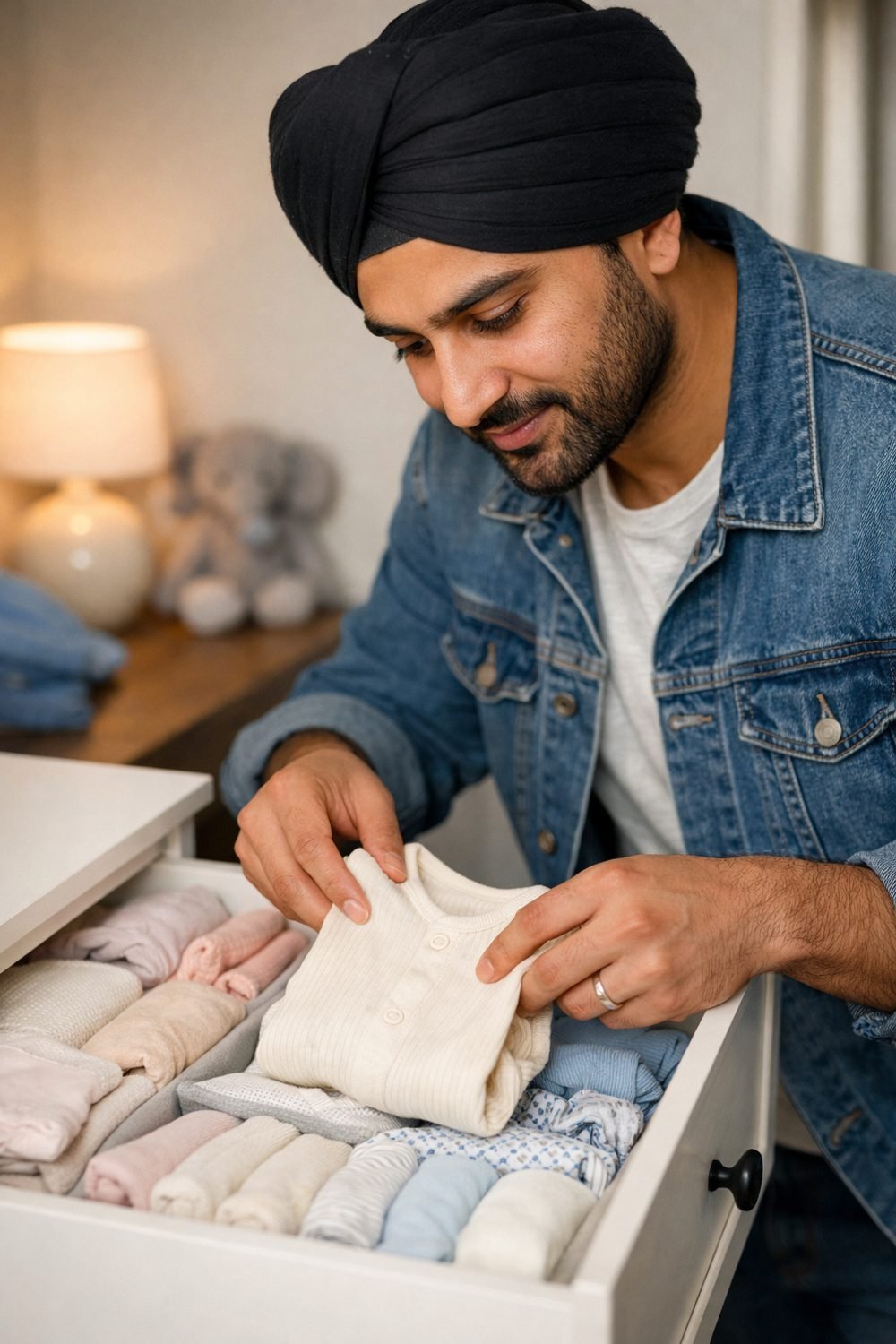
Finding the best baby clothes looks simple until you're standing in a store at 9 p.m. holding two tiny sleepers that seem identical. One costs more, one has a cute fox on it, and you have no idea which your baby will actually be comfortable in. Many parents end up in this situation more often than they'd like.
Comfort comes first. Cute is a bonus. Here's what I check now before anything goes in the cart, and a few things I'd skip.
Short on time? Our top picks: Carter's, Gerber Childrenswear, Kyte Baby and Hanna Andersson. See all picks

1. Baby Boy Clothes and Girl Clothes: Size Labels Aren't the Same Everywhere
A "3-6 months" from one brand can fit like a "0-3" from another. Many parents learn this when a whole stack of gifted outfits fits for about two weeks, while another brand's same size lasts months. Age on the tag is a guess, whether you shop for newborn baby girl clothes or anything else. Babies don't grow on a schedule.
Most sellers list weight and length ranges somewhere on the product page or the tag. Those numbers are far more useful than the age. If your baby is long but slim, length matters more than you'd think, especially for footed sleepers.
Tip: Keep a note on your phone with your baby's current weight and length. Update it after checkups. Then compare it to the seller's size chart before you buy.
2. Read the Fabric List, Not Just the Photo
Photos make everything look soft. The actual fabric list tells you what's going against your baby's skin all day. Check the seller's description or the inside tag for what the item is made of.
Personally, I lean toward simple, breathable fabrics like bamboo baby clothes (brands such as Kyte Baby are one place to look) for everyday wear. Some babies get itchy or sweaty in certain materials, and you often won't know until you try. If your baby has very sensitive skin, rashes or eczema, it's worth asking your pediatrician what they'd suggest rather than guessing.
Also look at the extras. Glittery prints, stiff appliqués and scratchy lace can rub, even if the main fabric is soft.
Tip: Run your fingers along the inside of the garment, especially seams and the neckline. If it feels rough to you, it'll feel worse to a baby.
3. Fasteners Can Make or Break a Diaper Change
Snaps are easier than buttons, and basics from brands like Carter's are one place to compare fastener styles. To put it plainly: tiny buttons at 3 a.m. are a special kind of misery. Snaps are quicker, and zippers can be even faster when your baby is wriggling.
Where the fasteners sit matters too. Sleepers that open from the bottom, or with a two-way zip, let you change a diaper without fully undressing a sleepy baby. Outfits that snap only up the back sound fine until you're trying to change a diaper on a squirming eight-month-old.
Check how secure things are. Loose buttons or decorations can be a choking risk, so give anything small a gentle tug before the first wear.
Tip: For newborns, look for kimono-style tops or bodysuits with wide, stretchy necks. Pulling things over a floppy newborn head gets old fast.
4. Washing: Check the Care Label Before You Buy
Babies go through clothes quickly. Spit-up, diaper leaks, food later on. You'll be doing laundry a lot, so anything that needs hand-washing or air drying is a tough sell.
Read the care label or the seller's care instructions. If something says "hand wash only" or "dry clean," ask yourself honestly if you'll do that. A delicate knit outfit can end up unworn because you're too nervous to wash it.
Many parents wash new clothes before the first wear to remove leftover finishes from the factory. What detergent to use is a personal choice, and if your baby reacts to something, check with your doctor.
Tip: Expect some shrinking, especially with natural fabrics. If you're between sizes, that's another reason to size up.
Speaking of busy routines, if you join our email list you'll get a free 1-Week Kids Chore Chart and Morning Routine Chart, which comes in handy once your little one gets a bit older.

5. Plan for Growth by Buying a Size Up
Babies grow fast. Faster than seems fair, honestly. You can usually buy one size ahead for anything that isn't urgent, especially seasonal stuff like baby winter clothes or swimsuits.
Think about timing. A summer romper in 6-9 months only works if your baby will be that size in summer. A common mistake is buying sweet outfits on sale that never get worn because the season and the size never line up.
Clothes with fold-over cuffs, stretchy waistbands or adjustable straps tend to last longer. Rolled sleeves are fine for a few weeks.
Tip: Don't stock up heavily on newborn size. Some babies skip it entirely, and others outgrow it in days. A small handful is usually plenty until you know your baby's size.
6. Think About Safety for Sleepwear
Pajamas get their own section because sleep matters. Many sellers note if sleepwear is meant to fit snugly or meets certain safety standards. Read that part of the description carefully.
It's best to skip anything with hoods, ties, strings or loose ribbons for sleep. They might look cute in photos, but they don't belong in a crib. For questions about safe sleep and what your baby should wear at night, your pediatrician is the best person to ask.
Tip: Check the room temperature before choosing layers. An overheated baby often sleeps worse, not better.
7. Check the Return Terms Before Checkout
This one isn't exciting, but it saves headaches. Some stores take returns on unworn items with tags, others only offer store credit, and sale items can be final. Read the seller's return policy before you buy baby clothes online, not after.
Keep the tags on until you've tried something on your baby. It's tempting to snip them right away. Wait a day.
Gifts are tricky too. If you're buying for a baby shower, a gift receipt is kind. Nobody knows what size that baby will be.
Tip: Keep receipts and order emails in one folder. If you like paper systems, the Parent Planner and Checklist Bundle below this post has spots for this kind of thing, along with lists for baby gear and appointments.
8. Skip the Overrated Stuff
Here's my honest opinion. Tiny baby shoes for non-walkers are mostly for photos. Many babies kick them off anyway. Fancy multi-piece outfits with vests and bow ties look lovely, but they're a lot of work for one family dinner.
What actually gets used in the baby care routine? Plain bodysuits, comfy sleepers, a few soft pants and some socks that stay on. Not glamorous. Very useful, and easy to find in neutral baby clothes that mix and match.
Tip: Save your splurge for one or two special outfits, like cute baby boy clothes you really love, and keep the rest simple.
Baby Clothing Brands Worth a Look
If you want a starting point, these are well-known brands that parents often browse for everyday baby clothes. Treat them as places to begin, not a promise that any item will suit your baby.
Carter's
A widely available choice for bodysuits, sleepers and multipacks, so it suits parents who want basics in one place. Check the size chart and fabric list on each item, since fit can differ between lines.
Gerber Childrenswear
Known for simple essentials like onesies and sleepers, which suits anyone building a basic wardrobe. Look at the care label and the fabric on each product page before buying.
Kyte Baby
A brand often associated with soft bamboo-based baby clothing, so it may suit parents who prefer that kind of fabric. Check the fabric blend and care instructions, and ask your pediatrician if your baby has sensitive skin.
Hanna Andersson
Popular for pajamas and playclothes in cotton, and a fit for families who want pieces that can be handed down. Read the sleepwear description closely for fit details, since snug fit matters for pajamas.
Old Navy
A familiar option for budget-friendly basics and seasonal items like baby winter clothes. Check the seller's return policy and sizing notes, especially when buying online.
Gap Baby
A good fit if you like classic, neutral pieces that mix and match. Compare the weight and length ranges on the size chart rather than going by the age on the tag.
Burt's Bees Baby
A common pick for organic cotton sleepers, bodysuits and gifts. Check the fastener style, such as snaps or zippers, to make sure it will work for diaper changes.
Check current plans and prices on each brand's own site before you buy.
FAQ
How many baby clothes do I actually need?
It depends on how often you do laundry and how messy your baby is. Start small, see what you reach for most, and add from there. Babies get lots of clothes as gifts, too.
Should I wash new baby clothes before using them?
Many parents do, to remove any leftover finishes or dust from shipping and storage. Follow the care label. If your baby has sensitive skin, ask your pediatrician about detergent choices.
Are designer baby clothes worth it?
Sometimes, but price doesn't always mean comfort. Check the fabric, seams and fasteners rather than the brand name. Some of my favorite pieces were cheap baby clothes I almost walked past.
What size should I buy for a baby shower gift?
A size or two up is usually safer, since the baby will likely outgrow newborn sizes quickly. Think about the season the baby will be wearing it. Include a gift receipt if you can.
If this helped, grab the free 1-Week Kids Chore Chart and Morning Routine Chart by joining the email list. It's a nice thing to have ready for the toddler years. Then take a look at the Parent Planner and Checklist Bundle and the Building Sets Mini-Store Starter Kit below this post, and see if either fits your family.
Printables and tools that can help
Parent Planner and Checklist Bundle
A printable bundle with a 30-day goal page, weekly planner and checklists for...
See detailsBuilding Sets Mini-Store Starter Kit
A kit for planning a small building sets shop: product list, listing copy and...
See details