Best Baby Food: Features Compared Side by Side
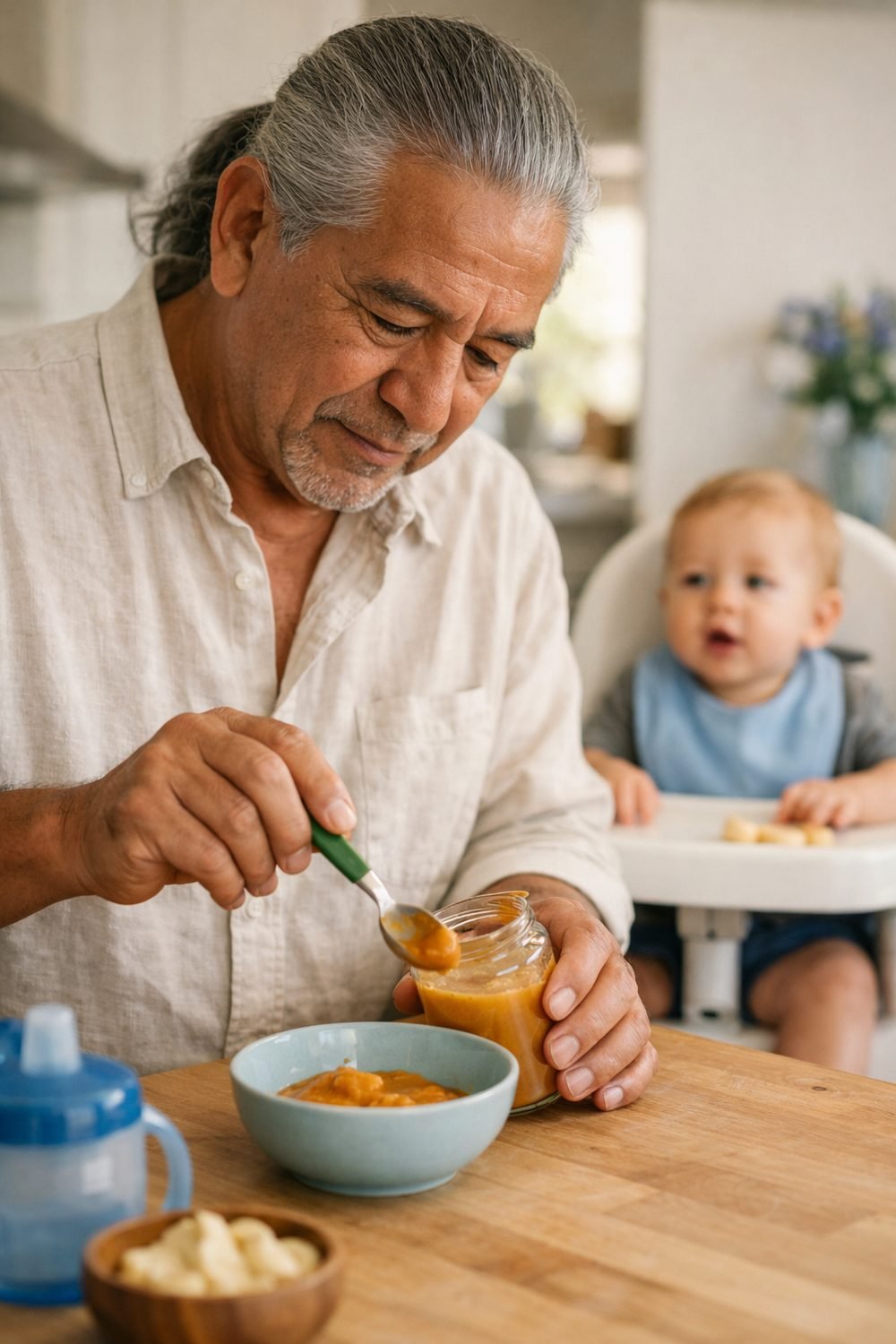
Picking the best baby food looks simple until you're standing in the aisle holding two pouches that seem exactly the same. It's easy to end up tired, with a toddler pulling at your sleeve, trying to figure out why one costs more than the other. The right choice depends on your child's stage and what your doctor or health visitor has told you. Labels help a lot, once you know where to look.
So instead of naming one "best" brand, I'm going to walk you through the baby food features I actually compare side by side. These are the things that made my shopping trips faster and a little less stressful.
Short on time? Our top picks: Gerber, Happy Baby Organics, Plum Organics and Cerebelly. See all picks
1. The Stage on the Label
Most baby food, including brands like Gerber, is marked with a stage or an age range, so start by reading that part of the label. Early stages are usually smooth and thin. Later ones get thicker, with small soft lumps, and then real bits you can see. The numbers aren't the same from brand to brand, so "Stage 2" from one company might not match "Stage 2" from another.
A common mistake is buying a chunky blend way too early. Some babies gag, give you a betrayed look, and refuse the spoon for the rest of the day. Lesson learned. The age on the label is a rough guide, not a rule. Your baby's readiness matters more.
Tip: Check the texture description, not just the stage number. Words like "smooth," "mashed," or "with pieces" tell you more than the number does.
2. The Full Ingredient List on Organic Baby Food and More
The front of the package is marketing, even on organic baby food. The back is where the truth lives. A pouch called "Spinach and Pear" might be mostly apple, with a little spinach near the end of the list. Ingredients are usually listed from most to least, so the first few items make up most of what's inside.
It helps to look for short ingredient lists you can understand. That doesn't mean a long list is bad. Some foods include things like lemon juice or added vitamins for good reasons. But if I can't tell what something is, I look it up before buying.
Tip: Flip the pack over before you even look at the price. If the main ingredient isn't what the front suggests, you'll know right away.
3. Allergen Notes on Baby Products
This one deserves real attention. Many labels have a "contains" line or a warning about foods made in the same place as common allergens. Read it every time, even with a brand you've bought before, because recipes can change.
How and when to introduce allergens is a question for your doctor, not for me or any blog. Advice can depend on your baby's health and family history. What I can say is that keeping track of new foods helped me a lot. If a rash shows up one afternoon, you'll be able to tell the doctor exactly what your baby has eaten.
Tip: Keep a simple food log. Write the date, the food, and anything you noticed. A notebook works, or a planner if you already use one.
It's nothing fancy, just a place to write things down so I'm not relying on my sleepy memory.
4. Packaging: Pouch, Jar or Tub
Each type has its fans, and honestly, each has trade-offs. Pouches, such as those from Plum Organics, are light and great for outings. Jars let you see the food and often reseal well. Tubs are handy for bigger portions or freezer-style options.
Here's my honest opinion: pouches are a bit overrated for everyday meals at home. They're convenient, but when babies suck food straight from the spout, they miss out on spoon practice. Pouches can be handy to keep for the car and the park. At home, I squeeze them into a bowl.
- Pouches: easy to carry, hard to see inside, can be messy if squeezed too hard.
- Jars: easy to check, heavier, can break if dropped.
- Tubs: good for portions, bulkier in a diaper bag.
Tip: Check that the seal is intact before you open anything. Most jars have a lid that pops when first opened. If it doesn't, don't use it.
5. Storage Instructions
A common mistake is to skip this part with new baby care products and foods alike. It's easy to lose track of a half-eaten jar in the back of the fridge and have no idea how long it has been there. Now I read the storage notes on every new product.
Labels usually tell you how long food lasts after opening and whether it needs the fridge. Some say not to feed straight from the jar if you plan to save the rest, because the spoon can bring germs back in. That small detail made a big difference in how I served meals.
Tip: Put a little piece of tape on opened jars and write the date. It takes five seconds and saves you from guessing later.
If you like little systems like that, you might enjoy the free 1-Week Kids Chore Chart and Morning Routine Chart you get when you join the email list.
6. Sugar and Salt Information
Babies don't need a lot of either, and many parents like to check baby milk and foods alike. Look at the nutrition panel and the ingredients. Sweetness often comes from fruit, which is different from added sugar, but it still adds up if every pouch is fruit-heavy.
Many babies start turning their noses up at plain vegetables after a week of sweet blends. That was my sign to mix things up. Fruit isn't bad. It just helps to balance it with veggie-forward options.
Tip: If you have questions about how much salt or sugar is okay for your baby's age, ask your doctor. Guidelines can differ, and they'll know your child.
7. Price per Serving
A cheaper pack isn't always cheaper. Some come in smaller sizes, and some multipacks look like a deal but aren't. You can check the price per weight on the shelf tag when the store shows it.
Also, think about waste. If your baby only eats half a jar and the rest goes bad, that "good deal" just got more expensive. Smaller sizes sometimes make more sense in the early weeks, when babies eat tiny amounts.
Tip: Buy one or two of a new flavor before stocking up. Babies have strong opinions, and you don't want ten pouches nobody will eat.
8. Ask Your Doctor First
This sounds obvious, but it's not a step to skip. Your doctor or health visitor can tell you when to start solids, how to introduce new foods, and what to watch for. Every baby is different, and general advice online can't replace that.
Bringing a short list of questions to a checkup can make the appointment much more useful. Writing questions down ahead of time means you don't forget them while you're juggling a wiggly baby.
Tip: Snap a photo of any label you're unsure about and show it at your next appointment.
Baby Food Brands Worth a Look
These are well-known options that parents often compare when they start solids. Use the features above to see which one fits your baby's stage.
Gerber
A widely available brand that suits parents who want familiar options across several stages. Check the texture description and ingredient list on each product, since they vary from one item to the next.
Happy Baby Organics
A good fit if you want to compare organic baby food in pouches and other formats. Read the back of the pack to see which ingredient comes first, not just the name on the front.
Plum Organics
Suits parents who like pouches for outings and want a range of fruit and veggie blends. Check how fruit-heavy a blend is if you want to balance sweet and savory flavors.
Cerebelly
Worth a look if you want to compare blends aimed at babies and toddlers beyond the basics. Check the allergen line and the stage guidance against what your doctor has advised.
Once Upon a Farm
Suits families who want to look at refrigerated or freezer-style baby food options. Check the storage instructions carefully, since these products may need different handling than shelf-stable jars.
Beaba Babycook
A baby food maker for parents who want to prepare homemade purees. Check the capacity, cleaning steps and counter space you have before buying.
Nuk
Known for feeding gear, which suits parents who want spoons and bowls for spoon practice at home. Check that the age range on each item matches your baby's stage.
Check current plans and prices on each brand's own site before you buy.
FAQ
Is homemade baby food better than store-bought?
Both can work well, and lots of families use a mix, sometimes with a baby food maker like the Beaba Babycook at home. Homemade gives you control over ingredients, while store-bought saves time. Ask your doctor if you have questions about safe preparation.
How do I know my baby is ready for thicker textures?
Watch how your baby handles the current texture and talk to your doctor. Signs of readiness can vary. Move slowly and go back a step if your baby struggles.
Is organic baby food worth it?
That's a personal choice that depends on your budget and priorities. Check the ingredient list either way, since organic doesn't tell you everything. Check the seller's page for details on how a product is made.
Can I warm baby food in the microwave?
Some labels say yes, others don't. If you do, stir well and test the temperature, since microwaves can heat unevenly. Always follow the instructions on the package.
If this helped, grab the free 1-Week Kids Chore Chart and Morning Routine Chart by joining the email list. Then take a look at the products below this post, including the Parent Planner and Checklist Bundle and the Building Sets Mini-Store Starter Kit for when your little one is ready for some hands-on play.
Printables and tools that can help
Parent Planner and Checklist Bundle
A printable bundle with a 30-day goal page, weekly planner and checklists for...
See detailsBuilding Sets Mini-Store Starter Kit
A kit for planning a small building sets shop: product list, listing copy and...
See details