Best Bath Toys: A Plain-English Guide
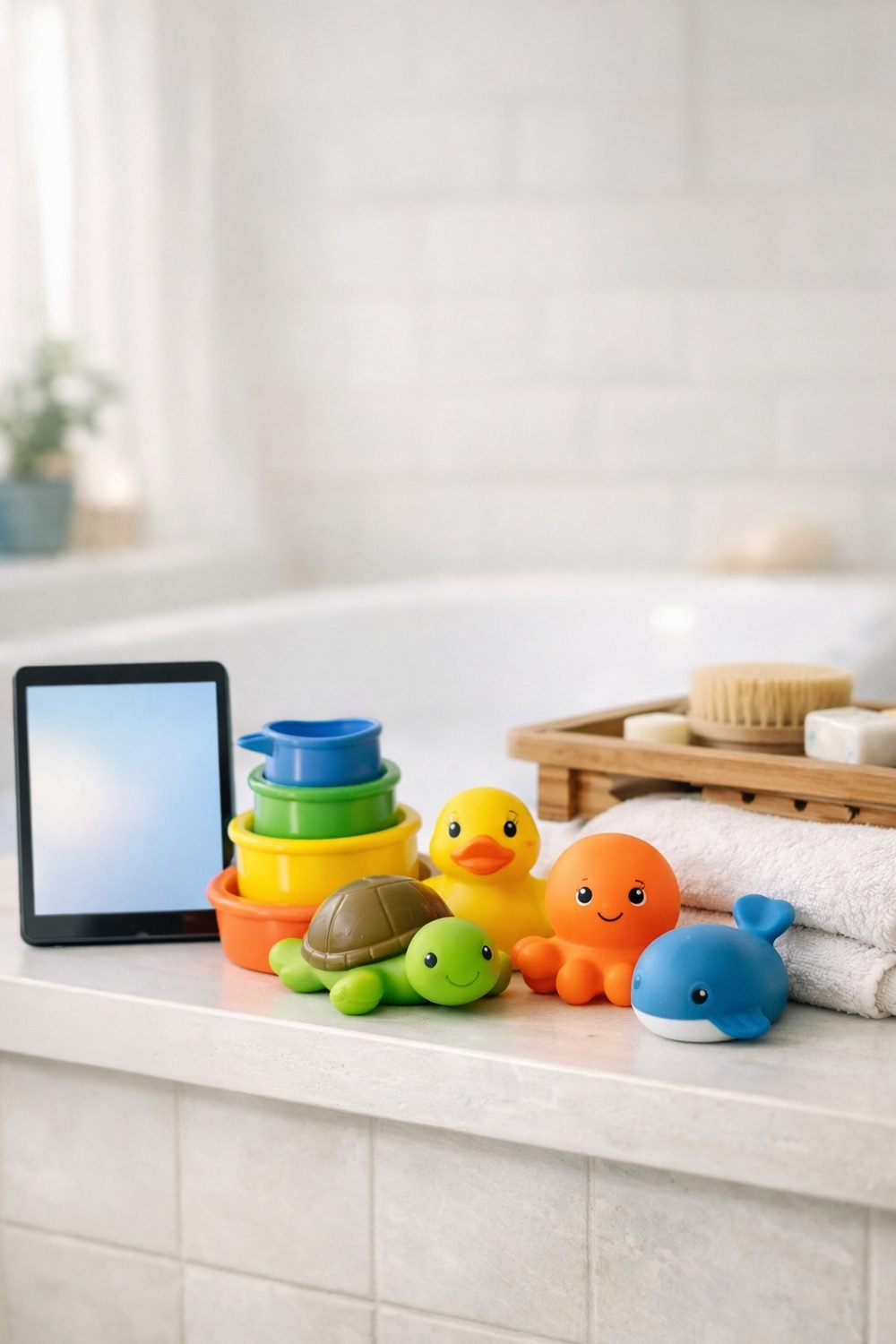
The best bath toys can make bath time easier. They can also turn into a slimy mess hiding in the corner of your tub. Both situations are common. Squeezing a rubber duck can send black specks shooting out of it, and some toddlers won't sit still in the water unless they have their little stacking cups. So I have opinions.
This guide covers what I look at now before I buy a bath toy. That means materials, drying, cleaning, age labels, storage, and how many toys you actually need. Nothing fancy. Just the stuff I wish someone had told me before I filled a bin with toys that went moldy in a month.
Short on time? Our top picks: Munchkin White Hot, Skip Hop Zoo, Munchkin Mesh Bath Toy Scoop and Fisher-Price. See all picks
Quick summary
- Read the seller's materials list before you buy. If it's vague, ask or skip it.
- Toys with small holes can trap water inside. Sealed toys, or toys that open up, are easier to keep clean.
- Rinse, shake, and dry toys after bath time. A little habit beats a big scrub later.
- Match the age label on the package. It's there for a reason.
- Store toys somewhere they can drain and get air, like a mesh bag or an open basket.
- A small set of toys is plenty. Rotate them if your kid gets bored.
- Toss anything that's cracked, peeling, or has gunk you can't clean out.
Why the best bath toys are worth a little thought
Bath toys seem like the easiest thing to buy. They're cheap-ish, they're cute, and they're everywhere. But they live in a warm, wet room and get soaked every day. That's a different life than a toy that sits on a shelf.
The other thing is that bath toys go in mouths. Babies and toddlers chew on everything, and a cup full of bathwater is just begging to be sipped. So what the toy is made of and how clean it stays matter more than with, say, a stuffed bear.
Here's the good news. Once you know what to look for, picking bath toys gets quick. You stop grabbing the cutest thing on the shelf and start grabbing the thing that'll still be okay in three months.
Material: start with the label
The first thing I check is what the toy is made of. Not the picture on the box. The actual materials list on the seller's page or the packaging.
What to look for
Common bath toy materials include different kinds of plastic, silicone, rubber, and foam. Each one feels and acts a bit different in water. There's no way to say one material is safe and another isn't, because products vary a lot from brand to brand. What I can tell you is that a good seller will clearly say what the toy is made of. If the listing just says "high quality material" and nothing else, that tells me they either don't know or don't want to say.
If you have questions about specific materials or any safety concerns, check the seller's page, contact them directly, or ask your child's doctor. That's a much better source than a blog post.
How the materials feel in real life
In a typical home tub, here's what tends to happen:
- Soft silicone toys tend to feel squishy and bendy. Lint and hair stick to some of them, which is a little annoying.
- Hard plastic toys like cups and boats are easy to rinse and usually dry fast.
- Squeezy rubber-style toys are the classic squirt toys. Kids love them. I have mixed feelings, which I'll get to.
- Foam letters and shapes stick to the tub wall, which is fun. But foam can soak up water and get tired-looking over time.
None of these is "the best." It depends on what your kid likes and how much cleanup you're willing to do.
Drying: the holes problem
This is the big one. If I could only tell you one thing about bath toys, it'd be this: toys with holes can trap water inside, and trapped water doesn't dry well.
Why squirt toys get gross
You know the type. A little animal with a hole on the bottom. Your kid squeezes it underwater, it sucks up water, then they squeeze it out and laugh. Super fun. But some of that water stays inside every time. It sits in the dark, it stays damp, and after a while you might see dark gunk come out when you squeeze it.
The first time it happens, your child may be holding the toy right up to their face. Grabbing it away quickly can make a child cry. Then I cut the toy open. What turns up inside can be unpleasant. Let's just say I don't buy squirt toys with tiny holes anymore.
Better options
Here's what I look for instead:
- Sealed toys with no holes at all. Water can't get in, so there's nothing to worry about inside.
- Toys that come apart or open up so you can see inside, rinse, and let them air out.
- Open shapes like cups, scoops, and boats where water just pours right out.
Some sellers make squirt toys that twist open for cleaning. Those are a fair middle ground if your kid really loves squirting. Still check the seller's description to see how they open and whether you can reach every part.
Quick comparison
Think of it like this. A stacking cup is about as easy as it gets: dump, rinse, done. A sealed rubber duck is close behind. A toy that opens takes an extra minute but you can see what you're dealing with. A squirt toy with a pinhole is the hardest, because you can't see inside, and you can't really get it dry.
Cleaning: small habits that actually work
A big toy scrub once in a while is a common habit, but doing it more often works better. It never happened as often as I planned. What works better is a tiny routine after every bath.
The after-bath routine
- Rinse the toys with clean water while the tub drains.
- Shake off extra water. For cups and boats, tip them upside down.
- Wipe anything with a film on it.
- Put the toys somewhere they can air dry.
That's maybe two minutes. It's easy to do while your kid is wrapped in a towel and wiggling around. Honestly, it's become part of the bedtime rhythm.
Deeper cleaning
Now and then, toys need more than a rinse. How you deep clean depends on the material, so check the care instructions from the seller. Some toys say they can go in the dishwasher. Some say hand wash only. Some foam toys don't handle heat well at all. When the instructions are missing, I stick with warm soapy water and a soft brush, then let them dry fully.
If you're thinking about using any cleaning product beyond plain soap, read the product label and the toy's care notes first. Kids put these things in their mouths, so I keep it simple.
When to throw it out
You don't need to feel bad about tossing bath toys. If a toy is cracked, peeling, sticky in a weird way, or has gunk I can't clean, it goes. They're not heirlooms.
If you like little routines like this one, our free 1-Week Kids Chore Chart and Morning Routine Chart is a nice way to get kids helping out, and yes, "put bath toys in the basket" can totally be a chore.
Age range: match the label
Every bath toy should have an age range on it. It's worth following. It's tempting to buy the cool toy for an older kid and let the baby use it too, but those labels often have to do with things like small parts.
Babies
For little ones who can barely sit up, I like simple stuff. Soft cups. A floating toy they can grab. Nothing with small pieces. At this age, the toys are mostly about something to look at and hold while you wash them.
Toddlers
This is the stacking, pouring, and dumping age. Cups with holes in the bottom (big holes, so they drain) are a hit. Boats. Scoops. A toddler might spend a full year just pouring water from one cup into another. She never got tired of it.
Preschool and up: play toys for pretend fun
Older kids get into pretend play, and almost any play toys that float will do, such as sets from Melissa & Doug. Little figures, boats with "passengers," water wheels that stick to the wall, foam letters to spell their names. They also start to get bored faster, which is where rotating toys helps.
If you've got kids of different ages in the tub together, plan for the youngest one. Here's a simple rule to follow.
Storage and bath toy holder ideas: let them breathe
Where you put bath toys matters almost as much as which toys you buy. A closed bin with no holes is basically a little swamp. This one is easy to learn the hard way.
What works
A mesh bag that hangs on the wall or tub, like the Munchkin Mesh Bath Toy Scoop, works like a simple bath toy holder, and it's my favorite. Water drains right out the bottom, air gets in, and the toys are off the tub floor. A basket with lots of openings works too. Some people use a shelf or caddy with drain holes.
Whatever you use, the goal is the same. Water should drain out, and air should get to the toys.
What I'd skip
Skip solid plastic tubs with lids and suction cup baskets that don't drain well. Also skip leaving everything in a pile in the tub corner. It's easy, sure. But that corner pile is where the slimy stuff starts.
One more tip. Clean the mesh bag itself every so often. It gets dirty too, and it's easy to forget.
Count: fewer toys, better baths
To be plain about it: Many people assume more toys mean happier baths. It doesn't. A tub full of toys just means more to clean, more to dry, and more for your kid to throw over the side.
How many is enough?
There's no magic number. In most homes, a handful works great. Maybe a couple of cups, one boat, and one fun thing like a floating animal. That's it. Kids often play longer with fewer toys because they can focus on them.
Try rotating
Here's what I do now. You can keep most of the bath toys in a cabinet and put out just a few at a time. Every week or two, I swap some. The "new" toys feel exciting again, and I'm only drying a small batch each night.
If you're the type who likes to plan this kind of thing out, the Parent Planner and Checklist Bundle below this post has pages that could help you keep track of routines like this. Totally optional, but some parents like having it all on paper.
Types of bath toys compared
Here's how I think about the main types of bath toys, based on what I've actually used.
Cups and stacking toys
These are my top pick for most kids. Easy to clean, easy to dry, and they teach pouring and stacking. Some have holes in the bottom that make fun little water showers. Big holes are fine because water runs right out.
Boats and floating toys
Great for pretend play, and a lot of classic toys like little wind-up-free floaters fit here. Look for ones that are open or sealed, not ones with hidden spaces that hold water.
Squirt toys
Kids love them. It's best to avoid them unless they open up for cleaning. Honestly, I think they're overrated for how much hassle they cause.
Foam letters and shapes
Fun for older toddlers and preschoolers. They stick to the wall when wet. Just know they can wear out and may need replacing sooner than hard toys.
Wall toys and water wheels
These stick to the tub wall with suction cups. Kids pour water in the top and watch it spin. They're great, but check that every part can dry, and watch for water sitting in little corners.
Bath books
Soft, waterproof books are cute for babies. Some can hold water inside, so I squeeze them out and let them dry open.
Everyday stuff
Here's one people forget. A clean plastic measuring cup or a funnel from your kitchen can be just as fun as a store-bought toy. Kids often play with a kitchen strainer more than with toys that were bought for the tub.
Common mistakes
These mistakes are all easy to make. Learn from me.
- Buying toys with tiny holes and never checking inside. This is the number one way bath toys get gross.
- Storing toys in a closed bin. No air, no drying, lots of slime.
- Ignoring the age label. Small parts and young kids don't mix.
- Buying too many at once. More toys means more cleanup, and kids often play less with each one.
- Skipping the materials list. If a seller won't tell you what a toy is made of, that's worth noticing.
- Keeping damaged toys too long. Cracked or peeling toys should go.
- Forgetting to clean the storage bag. The bag gets dirty too.
- Not reading care instructions. Some toys can't take hot water or the dishwasher.
Bath toys and gear worth a look
Here are a few well-known options that fit the ideas in this guide. Treat them as starting points, and check each one against the age label and care notes before you buy.
Munchkin White Hot
Suits parents of babies who want a simple, familiar bath toy range. Check the age label and the seller's care notes for each toy, since Munchkin makes many different bath items.
Skip Hop Zoo
Suits families who like cute animal-themed bath gear, including storage and toys. Check how each piece drains and dries, and whether any part has spots where water could sit.
Munchkin Mesh Bath Toy Scoop
Suits anyone who wants a hanging, draining spot for toys. Check how it attaches to your tub or wall and plan to clean the mesh itself now and then.
Fisher-Price
Suits parents who want a big, well-known toy brand with many baby and toddler bath options. Check the age range on each product, because the lineup covers a wide span of ages.
Melissa & Doug
Suits toddlers and preschoolers who like simple pretend play, including sea-animal and boat-style bath sets. Check the materials and care instructions on the exact set, as products differ.
Boon
Suits parents who want bath toys and drying racks with a clean, modern look. Check how each toy is built, and whether it has openings that can trap water.
Tub Works Wall Toys
Suits older toddlers who love pouring and watching water move on the tub wall. Check how the suction cups hold on your tub surface and whether every part can dry out fully.
Check current plans and prices on each brand's own site before you buy.
FAQ
How often should I replace bath toys?
There's no set schedule. Replace them when they're cracked, peeling, or have gunk you can't clean off. Sealed or open toys usually last longer than ones with small holes.
Are squirt toys bad?
They're not bad, but they're harder to keep clean because water gets trapped inside. If your kid loves them, look for ones that open up so you can rinse and dry the inside. Check the seller's page for cleaning details.
Can I put bath toys in the dishwasher?
Some can, some can't. It depends on the material and what the seller says. Always check the care instructions on the package or the product page before you try it.
What's a good first bath toy for a baby?
Simple stacking cups or a soft floating toy that matches the age label are good choices. Skip anything with small parts or hard-to-clean holes. If you have questions about what's right for your baby, your child's doctor is a good person to ask.
Your next step
You don't need a tub full of toys. You need a few good ones, a spot where they can dry, and a two-minute habit after each bath. Start there and bath time gets a lot less messy. If you want help building small routines with your kids, grab the free 1-Week Kids Chore Chart and Morning Routine Chart by joining our email list. Then take a look at the Parent Planner and Checklist Bundle and the Building Sets Mini-Store Starter Kit below this post if either one sounds useful for your family.
Printables and tools that can help
Parent Planner and Checklist Bundle
A printable bundle with a 30-day goal page, weekly planner and checklists for...
See detailsBuilding Sets Mini-Store Starter Kit
A kit for planning a small building sets shop: product list, listing copy and...
See details