Best Cloth Diapers: Who It Suits and Who Should Skip It
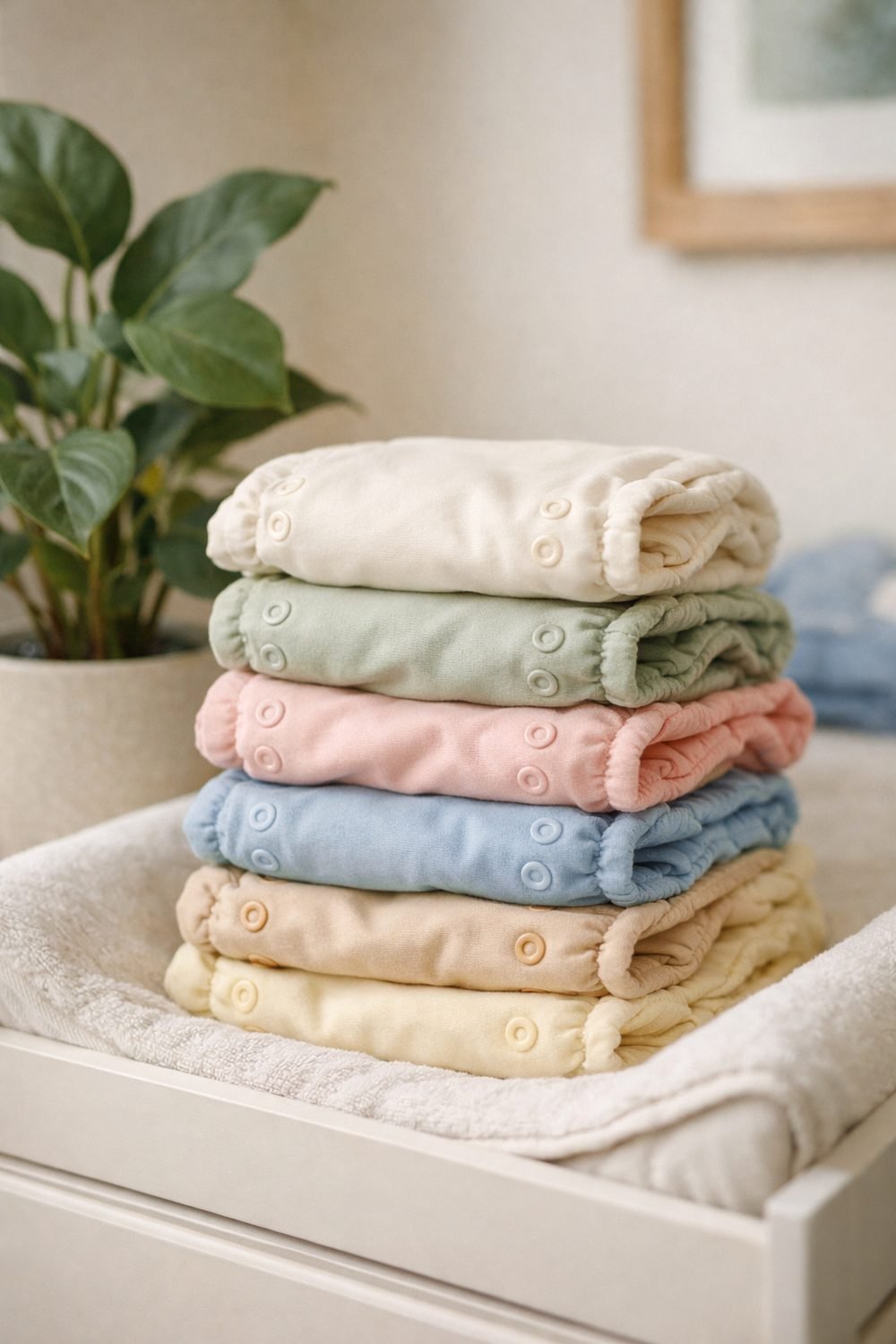
The best cloth diapers get talked about like they're either a miracle or a disaster. For many people, they're neither. They're a system, and some families slide into that system easily while others fight it every single day. Plenty of parents try cloth with a second kid after skipping it the first time, and it becomes clear fast who it suits.
So instead of telling you cloth is "the best," I'd rather help you figure out if it's the best for you. Below are the signs it'll fit your life, and the signs you should probably skip it, or at least wait.
Short on time? Our top picks: Bumgenius, Esembly, Grovia and Thirsties. See all picks
1. Good fit: you don't mind doing laundry often with cloth
This is the big one. With cloth, you'll be washing diapers every two or three days. That's not a hard rule, but most people land somewhere in that range, because dirty diapers sitting around too long start to smell and can be harder to get clean.
If you already run the washer a lot, adding a diaper load won't feel like much. You can toss them in after the kids go to bed, then hang them up in the morning with a coffee. It became a habit within about two weeks.
But if laundry already feels like a mountain you can't climb, be honest with yourself. Cloth will add to it.
Practical tip: Before you buy anything, try a "fake" week. Run one extra small load every other day and see how it feels. If you're grumbling by day four, that tells you something.
2. Good fit: you want less trash going out the door
Lots of parents are surprised by how full the trash can gets once a baby arrives. Disposables pile up fast. Reusable diapers can be washed and worn again, which means fewer bags hauled to the curb each week.
To be honest, this is often the main reason people choose cloth. Seeing that overflowing bin every few days bugged me. With cloth, our trash went back to looking almost normal.
Just know that "less waste" doesn't mean zero impact. You're using water, soap, and energy to wash them. Whether that trade feels worth it is a personal call.
Practical tip: You don't have to go all-in. Some families use cloth at home and disposables at night or on outings. That still cuts down on trash a lot.
3. Good fit: you're okay with a learning curve
Cloth diapers have their own vocabulary. Prefolds, covers, pockets, inserts, all-in-ones. The first time I opened a package of inserts, I genuinely didn't know which side went up.
The good news is the learning curve is short. Most people get comfortable within a few weeks. You'll figure out how snug to fasten them, how often to change, and which style your baby's shape likes best. Every baby fits a little differently, which is part of the trial and error.
If you like figuring things out, this part can actually be kind of fun. If you want something that works perfectly from day one with zero thinking, cloth might frustrate you at first.
Practical tip: Buy a few different styles in small amounts before committing to a big stash, perhaps from brands like Bumgenius or Grovia, since the best cloth diapers for one baby may leak on another. Buying a bundle of one type can waste money if it leaks on a baby with chunky thighs. A sampler would've saved me.
4. Good fit: you like having a plan and a routine
Here's one that doesn't get mentioned much. Cloth works best when you have a little structure. You need to know when wash day is, where the dirty pail goes, and how many clean diapers are left next to your diaper changing table.
Parents who already keep lists or planners tend to do great with it. A sticky note on the washer with the wash routine written out helps, because sleep-deprived parents can easily forget whether they did the pre-rinse.
If you like writing things down, the Parent Planner and Checklist Bundle below this post has pages that work well for tracking stuff like this. It's not a must, but it helped me keep the chaos a little more organized. And if you want a simple start, you can grab our free 1-Week Kids Chore Chart and Morning Routine Chart by joining the email list.
Practical tip: Write your wash routine down once and tape it near the machine. Future tired you will be grateful.
5. Skip if: you don't have a washer at home
Some people make cloth work with a laundromat. It isn't impossible. But you should probably skip it if you don't have a washer at home or in your building.
Hauling bags of dirty diapers to a public machine every couple of days sounds rough, especially with a baby in tow. Plus, some shared machines aren't great at getting diapers fully clean, and you can't control what was washed in them before.
Laundry is the whole plan with cloth. If that part is hard, the rest falls apart.
Practical tip: If you really want to try cloth without a washer, look into a local diaper service if one exists near you. Ask them directly about pricing and how pickups work.
6. Skip if: your daycare won't accept them
Some daycares are fine with cloth. Others aren't, often because of their own rules or local guidelines. You don't want to find this out after you've bought a full stash.
Ask first. Ask specifically what they need from you, like a wet bag for dirty diapers (a brand like Planet Wise makes them), or a certain style that's easy for staff to use. Some places will only accept all-in-ones because they work a lot like disposables.
If daycare says no, cloth can still work on evenings and weekends. You just might not save as much trash or effort as you hoped.
Practical tip: Get the daycare's answer in writing, like an email or a note in their parent handbook. Policies change, and staff change too.
7. Skip if: you travel a lot
We took one road trip with cloth. Once. By day two, I had a bag of wet diapers in the trunk and nowhere to wash them. We bought disposables at a gas station and never looked back for travel.
If your family is on the move often, disposables are just easier. You toss them and keep going. Cloth on the road means carrying dirty diapers around until you find a washer.
That doesn't mean cloth is out if you travel sometimes. Plenty of families switch to disposables just for trips.
Practical tip: Keep a small pack of disposables in the car or a small diaper bag at all times, even if you're a cloth family. It's a lifesaver for surprise blowouts too.
8. Skip (for now) if: you're barely holding on
This is the one nobody says out loud. If you're in the newborn fog, recovering, or just stretched thin, it's okay to not start cloth yet.
Many people wait until their baby is around two months old before starting. Those first weeks were survival mode, and I'm glad I didn't add one more thing. Cloth will still be there when you have a bit more energy.
Practical tip: Set a "check-in" date a month or two out. When it comes, ask yourself if you have room for it now. No guilt either way.
Cloth diaper brands worth a look
If you decide cloth fits your life, these are well-known options to start your research with. Each one suits a slightly different kind of family.
Bumgenius
A familiar name for parents who want an easy, pocket-style or all-in-one setup. It suits families who want something that feels close to a disposable. Check the sizing guide against your baby's weight and shape before buying a stash.
Esembly
Known for a system of outer covers and inner pieces, which suits parents who like mixing and matching. It can be a good pick if you want to wash only the parts that got dirty. Look at how the pieces fit together before you order.
Grovia
Offers all-in-one and hybrid styles, so it suits parents who want a few different ways to use cloth. Hybrids can be handy for travel days. Check what each style needs to be a complete diaper.
Thirsties
A long-standing cloth brand with covers and prefolds, which suits parents who like simple, classic setups. Good for those who don't mind a little folding. Check the size range, since babies outgrow sizes at different times.
Kanga Care
A cloth diaper maker with several styles and sampler-friendly choices. It suits families who want to test before committing. Read the care notes so you wash them the right way.
Charlie Banana
Reusable diapers with inserts, often liked by parents who want a simple one-size approach. It suits families who want fewer sizes to track. Check how the fit looks on a small newborn versus an older baby.
Planet Wise
Makes wet bags and cloth diaper accessories, which suits families sending cloth to daycare or traveling. A wet bag keeps dirty diapers contained until wash day. Check the size so it holds a full day's worth.
Check current plans and prices on each brand's own site before you buy.
FAQ
Are cloth diapers cheaper than disposables?
They can be for some families, but it depends on how many you buy, what brands, and your water and energy costs. You can skip any promises of guaranteed savings and do your own rough math based on real prices you find.
Do cloth diapers cause more diaper rash?
Every baby's skin is different, and I can't tell you what's right for yours. If your baby gets a rash that won't clear up, talk to your pediatrician. Also check the diaper maker's page for any care notes on creams.
How many cloth diapers do I need?
It depends on your baby's age and how often you wash. Newborns go through a lot more each day than older babies. Many sellers list a suggested amount on their product pages, so check there as a starting point.
Can I mix cloth and disposables?
Yes, and honestly, this is what a lot of real families do. Cloth at home, disposables at night or out and about. There's no rule saying you have to pick just one.
If cloth sounds like a fit, start small and give yourself time to learn. Your next step: grab the free 1-Week Kids Chore Chart and Morning Routine Chart by signing up in the box on this page. Then take a look at the Parent Planner and Checklist Bundle and the Building Sets Mini-Store Starter Kit below this post if either one sounds useful for your family right now.
Printables and tools that can help
Parent Planner and Checklist Bundle
A printable bundle with a 30-day goal page, weekly planner and checklists for...
See detailsBuilding Sets Mini-Store Starter Kit
A kit for planning a small building sets shop: product list, listing copy and...
See details