Toy Food Set: Pros, Cons and Alternatives
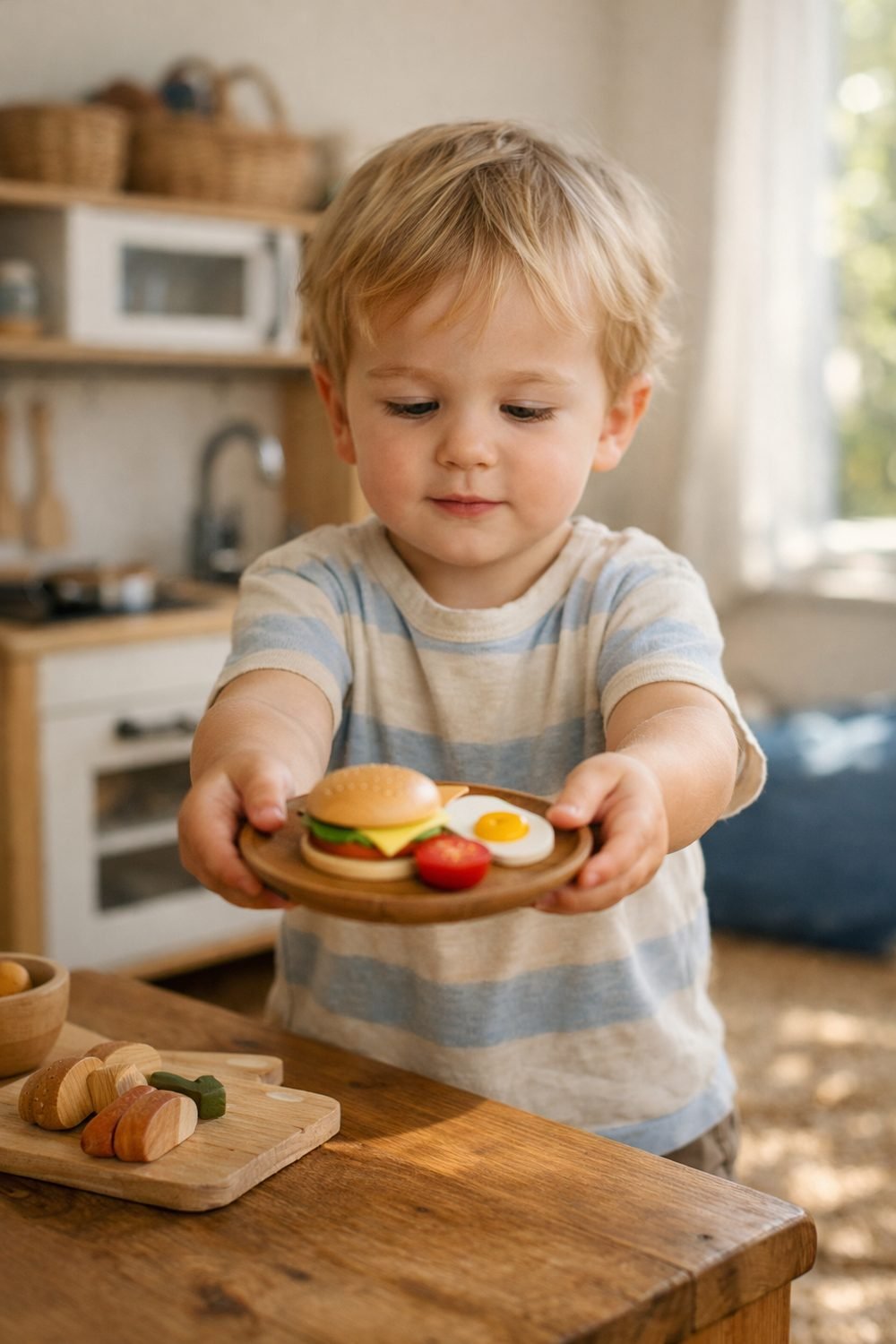
A toy food set is one of those toys that looks simple in the box and then ends up everywhere. Toy food has a way of turning up in odd places, like plastic eggs under the couch, a felt slice of pizza in the dog's bed, or a wooden banana in a coat pocket at the grocery store. That's kind of the point, though. Kids carry pretend food around because they're busy running a café, feeding a stuffed bear, or "cooking" you a five-course dinner while you try to drink your coffee.
Not all sets are the same, though. The material, the size, and the little extras all change how a set gets played with, how long it lasts, and how much it annoys you during cleanup. Below, I'll walk through the main types, what I like and don't like about each, and some cheaper alternatives if you're not sure you want to buy a set at all.
Short on time? Our top picks: Melissa & Doug Cutting Food sets, Learning Resources Play Food, Hape Play Food and PlanToys Wooden Play Food. See all picks
Wooden Toy Food Set Options: Sturdy, but Pricier
Wooden play food, from brands like Hape and PlanToys, is the kind you often see in photos of perfect playrooms. It's solid in the hand, it makes a nice little clunk when it hits the counter, and a good set can survive years of being dropped, thrown, and chewed on by a sibling who should know better.
The big plus is how long it lasts. Wooden sets often get passed down to younger kids or cousins, and they still look fine. Many of them also come with pieces held together by Velcro or magnets so kids can "slice" a carrot or tomato with a wooden knife. Many kids love that part far more than parents expect.
The downsides? They can cost more than plastic, and the paint can chip over time, especially if a set lives in a bin with heavier toys. Wooden pieces also shouldn't be soaked in water, so you'll want to wipe them down instead of tossing them in the sink. If you have a child who still puts everything in their mouth, check the seller's page for age guidance and finish details before you buy.
Plastic Sets: Easy to Clean, Easy to Lose
Plastic play food, such as sets from Learning Resources, is the workhorse of the toy food aisle. It's light, it's usually cheaper, and you can wash it. That last part matters more than people think. Pretend food gets "eaten," which means it goes in mouths, gets licked, and ends up on the floor next to real crumbs.
Plastic sets are a good fit for younger kids and for families who host a lot of playdates. When five little hands have been passing a plastic donut around, being able to give everything a quick wash is a relief.
Honestly, some plastic sets look a bit plain. The colors can be flat, and some pieces are hollow and crack if they get stepped on. Thin plastic also tends to dent. If you go this route, I'd skip the giant bargain bags with hundreds of tiny pieces. Small pieces tend to go missing quickly, and the ones that remain can feel flimsy. A smaller set with thicker pieces usually holds up better.
Felt Sets: Soft, Quiet, and a Little Fussy
Felt food is lovely. It's soft, it's quiet (a real gift if you live in an apartment), and it often looks charming in a homemade sort of way. Felt sandwiches with layers you can stack are a favorite, because kids get to "build" their lunch piece by piece.
It's also great for babies and toddlers who throw things. A felt apple to the face is a lot friendlier than a wooden one.
The catch is cleaning. Felt picks up dust, hair, and sticky fingerprints, and many felt pieces don't love the washing machine. Some can be spot cleaned, some can be hand washed, and some just get fuzzy and sad over time. Read the care instructions on the seller's page before you buy, especially if your kid eats real snacks during pretend play. (Mine always did.)
Small aside: if you've got a little one who loves pretend chores and routines as much as pretend cooking, our free 1-Week Kids Chore Chart and Morning Routine Chart is a nice way to turn that "helper" energy into real-life habits, and you can grab it by joining the email list.
Cutting Sets: The Fun of the Slice
Cutting sets deserve their own section because kids love them so much. These are the fruits, veggies, and breads that come apart into pieces when you "cut" them with a toy knife. They usually stick together with Velcro or magnets.
Velcro versions make a satisfying rip sound, which kids adore. They're also simple, and there's nothing inside to worry about. The Velcro does wear out over time and gets clogged with lint, but a quick clean with an old toothbrush helps.
Magnetic versions feel a bit fancier. The pieces snap together neatly, and older kids seem to like that. But if a set uses magnets, I'd be careful with toddlers and babies. Small magnets can be a real danger if swallowed, so check the age rating, look at how the magnets are sealed in, and keep these sets away from little ones who still mouth toys. If you're unsure, ask the seller or your child's doctor before buying.
Personally, I'd pick Velcro for kids under four and save magnetic sets for when everyone in the house is past the "taste-test everything" stage.
Big Sets vs. Small Sets
This is where a lot of parents (me included) make a mistake. The big set with 100 pieces looks like the best deal. More food, more play, right?
Sometimes. Large sets give you variety, and that's great for kids who like to run a full restaurant or grocery store. You get breakfast foods, dinner foods, snacks, and maybe some cans and boxes. It can keep pretend play fresh for longer.
But large sets need a home. If you don't have a bin, basket, or shelf ready for them, the pieces spread across the house fast. A big set can turn into a daily cleanup fight, so you might split it into two bins and rotate them every couple of weeks. Rotating actually made the toys feel new again, which was a nice bonus.
Small sets are tidier and easier to manage. A breakfast set, a pizza set, or a single basket of fruit can be plenty, especially for younger kids who don't need much to start playing. The downside is obvious: fewer pieces, and kids may get bored sooner. You can always add another small set later, which I think is the smarter way to build a collection.
Alternatives to Buying a Toy Food Set
You don't need to buy play food at all if money or space is tight, and you can skip hunting for toy deals. Kids are often surprisingly happy with real-world stuff, and some of the best pretend games use things you already have.
- Empty food boxes and containers. Clean cereal boxes, yogurt cups, and egg cartons make a great pretend grocery store. Skip anything with sharp edges or lids that could be a choking risk for little ones.
- Real kitchen tools. Wooden spoons, measuring cups, and a small pot can turn any toy into "soup."
- Homemade cardboard food. Draw and cut out pizza slices, cookies, or sandwiches together. It's a fun afternoon project, and kids feel proud playing with something they made.
- Play dough. Kids can shape their own food, which is creative in a different way. It's messier, though, and not great for kids who still eat it.
- Swaps with friends. Trading sets with another family for a few weeks is free and keeps things fresh.
If your child is more into building than cooking, a mix of block sets and pretend shop play can work well together. Kids love building a "store" out of blocks and then stocking it with mini food toys. The Building Sets Mini-Store Starter Kit below this post might interest you if that's the direction your playroom is heading.
How I'd Choose One
If I were starting over, I'd think about my child's age first. Toddlers do well with felt or chunky plastic. Preschoolers often love wooden cutting sets. Older kids tend to enjoy bigger sets with more realistic details for running a restaurant or shop.
Next, I'd be honest about cleanup. If you hate washing toys, felt may frustrate you. If you hate clutter, skip the giant sets. And if you've got a mix of ages at home, plan around the youngest child's safety, not the oldest child's wish list.
Last thing: don't overthink it. Kids will happily feed you a plastic banana every day for a year. The set matters less than the fact that you sit down and pretend to eat it.
Toy food sets worth a look
Here are some well-known play food brands and sets that fit the types we covered above. Think of them as starting points, not a ranking.
Melissa & Doug Cutting Food sets
A familiar name for wooden and Velcro cutting play food, and a good fit for preschoolers who love to slice. Check the age rating and whether the set uses Velcro or magnets before you buy.
Learning Resources Play Food
This brand offers plastic play food in many themes, which suits families who want pieces that are easy to wipe or wash. Look at the piece sizes and the age guidance on the product page.
Hape Play Food
Hape makes wooden kitchen and food toys that suit parents who want something sturdy and pass-down friendly. Check the finish details and cleaning advice, since wood should not be soaked.
PlanToys Wooden Play Food
A good option if you prefer wooden toys with a natural look. Check the age guidance and how the set is meant to be cleaned.
Fisher-Price Play Food
A well-known choice for toddlers, with chunky pieces that suit smaller hands. Check the age label and the number of small parts before choosing.
Little Tikes Play Food
Suits families who want sturdy plastic food to go with a play kitchen. Check which pieces come in the set and whether they fit your storage.
Play-Doh Kitchen Creations
A fun alternative for kids who like to make their own pretend food. Be ready for mess, and check the age label if your child still tastes things.
Check current plans and prices on each brand's own site before you decide.
FAQ
What age is right for a toy food set?
Many kids start enjoying pretend food around toddler age, but it depends on the child and the set. Always check the age rating on the seller's page, since some sets have small parts or magnets that aren't meant for younger kids.
How do I clean play food?
Plastic can usually be washed with warm, soapy water. Wooden pieces are better wiped with a damp cloth and dried right away, and felt often needs spot cleaning. Follow the care tips from the seller, since materials vary a lot.
Is wooden play food worth the extra cost?
It can be if you want something that lasts and may get passed down. If your child is very young or you're not sure they'll even like pretend cooking, a cheaper plastic or felt set is a fine place to start.
How can I keep the pieces from getting lost?
Give the set one home, like a basket or bin near a toy kitchen set. Rotating smaller groups of pieces also helps, because there's less to scatter and less to pick up.
Quick Summary
Wooden sets last, plastic sets clean easily, felt sets are soft and quiet, and cutting sets are a big hit with preschoolers. Big sets offer variety but need storage, while small sets keep things simple. And if you'd rather not buy anything, empty boxes and homemade cardboard food work better than you'd think.
If pretend play has your kids in "little helper" mode, grab the free 1-Week Kids Chore Chart and Morning Routine Chart by joining the email list. It's an easy way to carry that energy into real routines. Then take a look at the Building Sets Mini-Store Starter Kit and the Daily Family Routine Deals Page Publishing Kit below this post to see if either one fits what you need.
Printables and tools that can help
Building Sets Mini-Store Starter Kit
A kit for planning a small building sets shop: product list, listing copy and...
See detailsDaily Family Routine Deals Page Publishing Kit
A kit for running a simple deals feed about stem toys: post templates and a weekly...
See details